Wildfire Season Looms Over Oregon
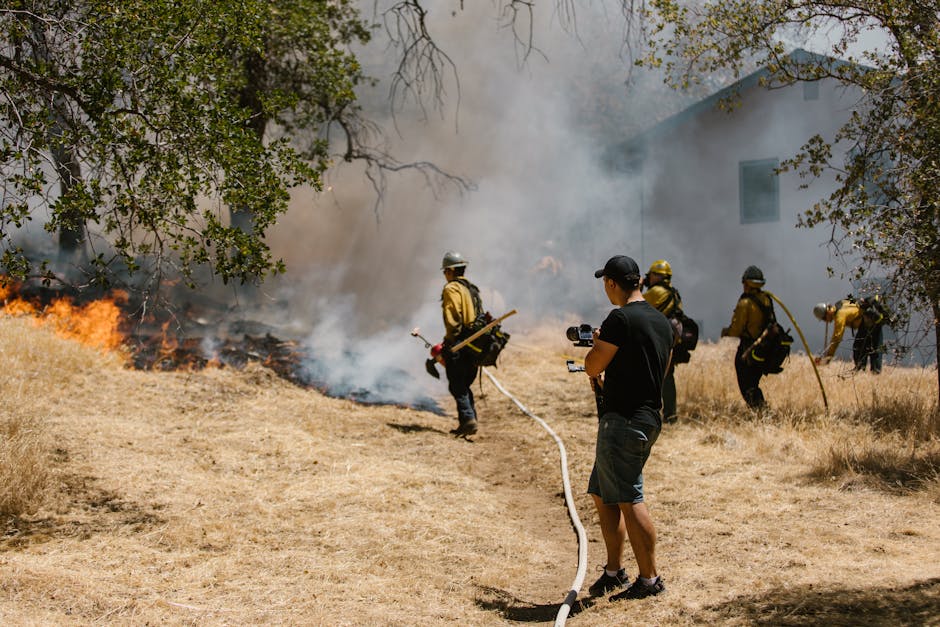
As summer approaches, Oregon officials are sounding the alarm about an impending wildfire season that could be one of the most severe in years. Senator Ron Wyden has publicly warned that the state faces an 'alarming' wildfire threat, prompting concerns among residents and local authorities alike. The increasing frequency and intensity of wildfires in recent years have raised questions about preparedness and resource allocation across the state.
Understanding the Current Landscape
In the past decade, Oregon has witnessed a dramatic escalation in wildfire activity, with some of the largest fires in the state's history burning in 2020 and 2021. These catastrophic events not only devastated vast areas of forestland but also impacted local communities, air quality, and the economy. According to state records, 2020 was a particularly devastating year, with over 1 million acres scorched and thousands of homes lost.
Related: Fairview Prepares for a Festive Easter Parade in 2026
This year, meteorological forecasts suggest that Oregon could experience similar conditions, including drought and higher-than-average temperatures, which are often precursors to wildfire outbreaks. The National Weather Service has already indicated that certain regions in Oregon are at heightened risk, prompting officials to take preemptive measures.
Political Response and Preparedness Efforts
Senator Wyden's warnings have been echoed by various state officials, who are urging communities to bolster their wildfire preparedness strategies. In a recent press conference, Wyden emphasized the necessity for increased funding for forest management and fire prevention programs. "It's not just about fighting fires; it's about preventing them before they start," he stated, highlighting the importance of proactive measures in combating wildfires.
Related: Trump's Proposed Cuts to Arts Funding Revive Concerns in Oregon's Cultural Sector
In addition to federal support, state officials are also mobilizing resources at the local level. Fire departments across Oregon are ramping up training and community outreach efforts, aiming to educate residents on fire safety and emergency preparedness. Local fire chiefs have reported an increase in community workshops designed to inform residents about creating defensible spaces around their homes and understanding evacuation protocols.
Implications for Local Communities
The potential for severe wildfires poses significant risks not only to the environment but also to the economy and public health in Oregon. Communities in rural areas are particularly vulnerable, with many residents relying on agriculture and tourism, both of which can be adversely affected by wildfires. Economic data indicates that wildfires can lead to substantial losses in revenue for local businesses, especially those dependent on outdoor activities.
Related: Wood Village Plans a Grand Easter Celebration for 2026
Moreover, the impact on air quality during wildfire season is a growing concern for public health officials. Smoke from wildfires can lead to respiratory issues and exacerbate existing health conditions, putting vulnerable populations at further risk. Health departments in Oregon are preparing for potential surges in air quality-related health complaints as the fire season progresses.
What Lies Ahead?
As Oregon gears up for what could be a challenging wildfire season, the focus remains on community preparedness and resilience. Local governments are working closely with state and federal agencies to ensure that necessary resources are available and that residents are adequately informed about potential risks.
Related: Reunion After Separation: Palestinian Babies Find Their Families After Two Years
Looking forward, one of the key areas to watch will be the effectiveness of the strategies implemented this summer. As the state invests in prevention and response efforts, it is crucial to monitor how these measures translate into tangible outcomes. The collaboration between state officials, local fire departments, and community members will play a pivotal role in mitigating the impact of wildfires.
Additionally, ongoing discussions surrounding climate change and its implications for future wildfire seasons will continue to shape policy decisions in Oregon. As climate patterns shift, the state may need to reassess its long-term strategies for wildfire management and disaster preparedness.
Related: Dylan Raiola's Transfer to Oregon: What It Means for the Ducks and College Football Landscape
Conclusion: A Collective Responsibility
In conclusion, the warning from Senator Wyden serves as a vital reminder of the collective responsibility that Oregonians share in facing the threat of wildfires. With proactive measures, community engagement, and a commitment to sustainable practices, there is hope that the state can navigate this wildfire season with resilience and preparedness. As the summer unfolds, the eyes of Oregon will be on its leaders, communities, and the natural environment, all of which play a critical role in determining the outcome of what lies ahead.