Conviction in NYPD Officer Shooting Raises Questions About Justice and Accountability
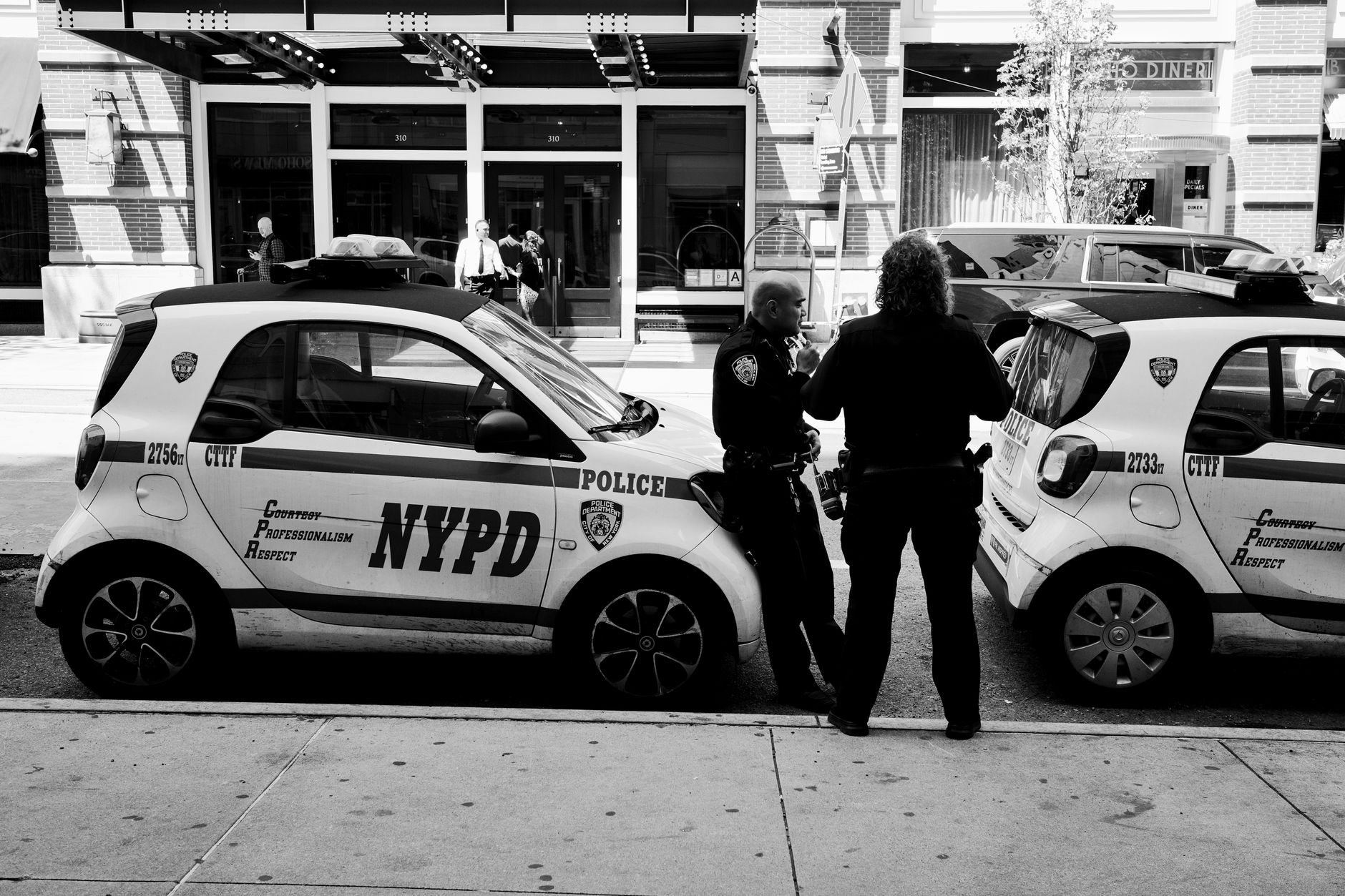
In a case that has attracted significant public interest and media coverage, a man has been convicted of manslaughter for his role in the shooting of a New York Police Department (NYPD) officer. The verdict, delivered in a Manhattan courtroom, has sparked debates regarding the nature of accountability in law enforcement and the broader implications for public safety.
The Incident
The shooting incident occurred during a police operation aimed at apprehending suspects involved in a string of violent crimes. According to authorities, the defendant allegedly fired at officers, resulting in serious injury to one of them. The officer, who has served the NYPD for several years, was hospitalized but is expected to recover fully.
Related: Reunion After Separation: Palestinian Babies Find Their Families After Two Years
Legal Proceedings
During the trial, prosecutors painted a picture of a chaotic scene where decisions had to be made in split seconds. They argued that the defendant's actions were reckless and endangered the lives of law enforcement personnel. However, the jury ultimately found him guilty of manslaughter rather than murder, a distinction that has drawn mixed reactions from the community and law enforcement officials alike.
Related: Oregon Heritage Tree Program Marks 30 Years of Conservation and Community Engagement
Community Response
The conviction has elicited a range of responses from various segments of the community. Advocates for police accountability have expressed disappointment, arguing that a manslaughter conviction does not adequately reflect the severity of the crime, particularly given the inherent risks faced by police officers in the line of duty. Conversely, some community leaders have welcomed the ruling, viewing it as a step towards justice without escalating tensions between law enforcement and the neighborhoods they serve.
Related: Voter Discontent: Poll Reveals Congressional Democrats Struggle with Priorities
What This Means for Oregon
While the case took place in New York, its implications resonate within Oregon, particularly in cities like Portland where tensions between law enforcement and community members have been high in recent years. The verdict raises questions about the legal standards applied in cases involving police and the public, as Oregon grapples with its own issues related to police conduct and community trust.
Related: Fairview Prepares for a Festive Easter Parade in 2026
Looking Ahead: Implications for Law Enforcement Policy
Experts suggest that this case may influence discussions on law enforcement policies across the country. As states reevaluate their approaches to police accountability, it remains to be seen how this conviction will affect future legislation or reforms aimed at improving officer training and community relations.
Related: Trump's Proposed Cuts to Arts Funding Revive Concerns in Oregon's Cultural Sector
What to Watch For
As the legal and social ramifications of this case unfold, stakeholders in Oregon and beyond will be watching closely. Key areas to monitor include potential calls for legislative changes regarding police use of force, community safety initiatives, and how police departments implement reforms in response to public sentiment. The outcome of appeals, if any are filed, will also play a critical role in shaping future cases involving law enforcement and community interactions.
Ultimately, as this case highlights the complexities of policing in America, it serves as a reminder of the ongoing discussions about justice, accountability, and the relationship between law enforcement and the communities they serve.